
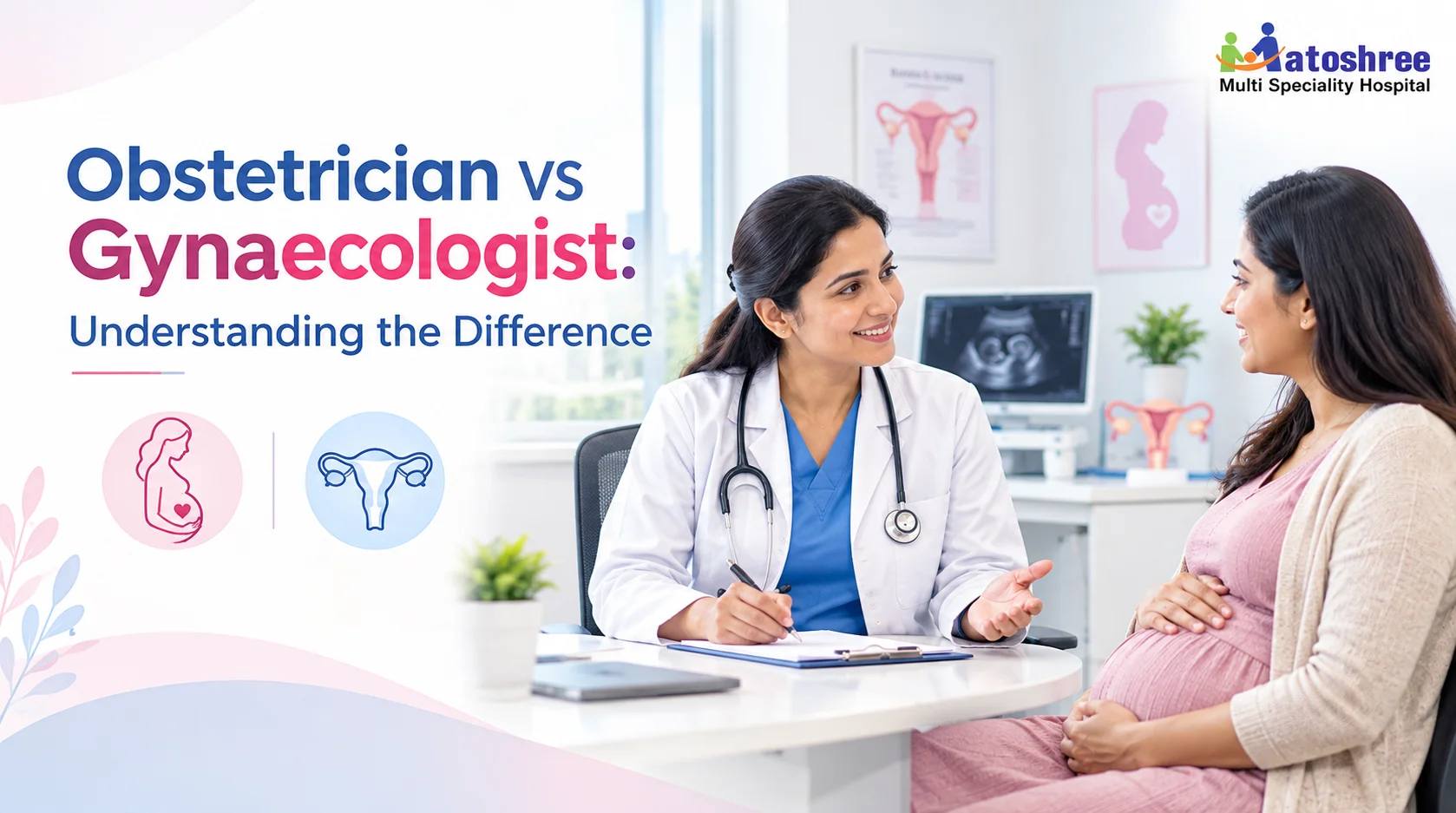
Obstetrician vs Gynaecologist: Understanding the Difference
The words obstetrician and gynaecologist are used together in relation to women's health and this sometimes can cause confusion. While both experts work with women's health, their main work is on different aspects. When choosing an obstetrician, it is important to know the difference between an obstetrician and a gynaecologist so your healthcare needs are met.
An obstetrician is a doctor who specializes in pregnancy, giving birth and postpartum care, whereas a gynaecologist is a doctor who specializes in women's reproductive organs and their diseases. Doctors who have been trained in both of these are known as OB-GYN doctors or specialists in obstetrics and gynaecology.
What Is an Obstetrician? – Obstetrician Meaning
The obstetrician definition is the medical expert that provides care during pregnancy, childbirth and the postpartum period. An obstetrician is a doctor who monitors and manages the health of a mother and baby during pregnancy, as well as high-risk pregnancies.
The obstetrician can offer:
- Pre-pregnancy and pregnancy counselling
- Follow up of the baby's growth and development
- Tests and screenings for pregnancy.
- High blood pressure, diabetes, and other complications during pregnancy.
- High-risk pregnancy care
- Labour and delivery care
- Post-Partum and Post-Natal care
Some women may need more specialized obstetric care and need to be watched more closely during pregnancy because of their high-risk status or medical conditions.
Who is a Gynaecologist?
A gynaecologist is an expert doctor that specialises in the health of the female reproductive system. This includes the uterus, ovaries, fallopian tubes, cervix and vagina.
If you have any concerns you can seek advice from a gynaecologist about:
- PMS and irregular or painful periods.
- Heavy menstrual bleeding
- PCOS
- Endometriosis
- Fibroids
- Pelvic pain
- Vaginal infections
- Birth control and family planning.
- Menopause-related concerns
- Fertility-related evaluation
- Women's health routine exams.
Care of the gynaecological area is crucial for women at various ages, whether adolescent, reproductive or menopausal.
Gynaecology vs Obstetrics – What is the difference?
Gynaecology versus obstetrics is primarily distinguished by the main field of women's health that they specialize in.
Gynaecology is the medical specialty focused mainly on the female reproductive system and the diseases and disorders that impact upon reproductive health. It includes issues like menstrual disorders, PCOS, endometriosis, fibroids, menopause and other gynaecological issues.
Obstetrics is a branch of medicine that deals specifically with the care of the pregnant woman, childbirth and care after childbirth. Obstetricians also oversee pregnancy and address potential complications that can arise during pregnancy and/or a baby's birth.
In simple terms:
Gyn = pertaining to the reproductive system of women
Hypnosis for pregnant women, babies and mothers after childbirth.
The difference between obstetrician and gynaecologist can be appreciated according to the patient's health care demands.
An obstetrician's main concern is with care involving:
- Pregnancy
- Antenatal care
- High-risk pregnancy
- Labour
- Childbirth
- Postnatal care
- Pregnancy-related complications
A gynaecologist is mainly concerned with the health of:
- Menstrual health
- PCOS
- Endometriosis
- Fibroids
- Pelvic pain
- Female genital and reproductive health
- Fertility concerns
- Contraception
- Menopause
When is it time to go see an obstetrician?
An obstetrician can perform specialized care during pregnancy, if you are planning on having a baby or if you are already pregnant and need care during childbirth.
All of these may be discussed with an obstetrician:
- Pregnancy planning
- This leads to confirmation & monitoring of pregnancy.
- Regular antenatal check-ups
- High-risk pregnancy management
- Pregnancy-related complications
- Labour and delivery
- Post-delivery care
Regular and early prenatal health care is important because it allows your health care provider to track the pregnancy and detect possible issues that might need additional investigation.
When to? – Going to the Gynaecologist?
Even if you're not pregnant, a gynaecologist can handle a multitude of women's health and reproductive issues.
If you are experiencing any of the following, it's time to see a gynaecologist:
- Irregular periods
- Severe menstrual cramps
- Unusual vaginal bleeding
- Pelvic or abdominal pain
- PCOS symptoms
- Endometriosis symptoms
- Fibroids
- Recurrent vaginal infections
- Menopause symptoms
- Fertility concerns
Recurrent symptoms and women's reproductive health can be pursued through regular gynaecological consultations.
What Is an OB-GYN?
An OB-GYN is a physician who has a special interest in women's reproductive health, both before and after childbirth. This will allow the doctor to care for the woman and her baby in matters of pregnancy and childbirth and for many aspects of women's reproductive health.
Doctors specializing in the combined specialty are qualified to attend to women of all ages, from reproductive health, to pregnancy, to delivery and to care for the mother and child in the postnatal period.
However, the actual services provided by a particular doctor might be different depending on their training, experience and specialty.
Who is the best Doctor - Obstetrician or Gynaecologist?
The specialist chosen will depend mainly on your health concern.
For the majority of people, if pregnancy is the primary concern, they will see an obstetrician for antenatal care, high risk pregnancy, labour or childbirth.
A gynecologist is usually suitable if you have any concerns about your periods, reproductive health issues like PCOS, fibroids, endometriosis or menopause.
If you require both pregnancy and general reproductive health care, you could see an OB-GYN for both.
Why are regular women's health check-ups important?
Throughout life, women's health needs may vary greatly. Frequent visits can solve symptoms early, provide discussion of reproductive health plans and enable proper preventive measures.
If symptoms continue, for example if there is abnormal bleeding or a persistent pain in the pelvic area, or if there are substantial changes in the menstrual cycle, then there may be some unusual symptom in the vagina which may warrant a discussion with a qualified health care professional.
Conclusion
Understanding the difference between an obstetrician and a gynaecologist can make it easier to seek appropriate women's healthcare. While obstetrics focuses on pregnancy, childbirth and postnatal care, gynaecology focuses on the female reproductive system and related health conditions.
Understanding the obstetrician meaning, as well as the difference between gynaecology and obstetrics, can help women identify which specialist may be appropriate for their healthcare needs. Since many doctors are trained in both obstetrics and gynaecology, an OB-GYN may provide comprehensive care across pregnancy and reproductive health.
If you have concerns about your reproductive health, pregnancy or any persistent symptoms, consult a qualified obstetrician or gynaecologist for personalised medical advice.



 Panvel
 Kamothe